Beyond Rosemead: From Film to a Movement in the Making 超越《柔似蜜》: 从电影到一场正在成形的社会运动
February 7, 2026CamiL, Elaine Peng • February 7, 2026
Scroll down for the Chinese Version(文末有中文版)
Beyond Rosemead: From Film to a Movement in the Making
——By: Cami, Elaine Peng ——Mental Health Association for Chinese Communities
https://www.mhacc-usa.org/
Spoiler Warning: This article discusses key plot points of the film Rosemead and the real-life events it is based on.
Details of the actual case are drawn in part from Frank Shyong’s 2017 reporting for the Los Angeles Times:
Read Here
Introduction
There is a scene in the film Rosemead that is particularly memorable.
Irene, the mother played by Lucy Liu, speaks to her son in Mandarin as he drifts off to sleep: "No matter what happens, remember that Mama loves you." It is the first time Lucy Liu has performed an entire film in her native language. In a promotional interview, she noted that Mandarin carries a certain tenderness and sense of restraint that English sometimes struggles to convey.
The film is based on true events. But the real story is far more complex than any two-hour film can convey.
If we reduce the story to "a mother's madness," it ends too quickly. This article does not attempt to justify an irreversible choice. It attempts a different kind of work—a multi-layered deconstruction of:
-How a mother calculates risk on the countdown to her own death;
-How an intimate friendship is frozen by the need for "decency,"
-How a system shows its caregivers a cliff instead of a road;
-And how an era's mass-shooting narrative gives rise to cognitive distortion and panic.
These four layers, stacked on top of one another, are what finally pushed one person toward what she believed was the "only solution."
These are the dimensions that two hours of cinema may not fully capture. You can carry these questions into the theater. If you have already seen the film and still feel something lodged inside you that you cannot quite name, perhaps this article can help you understand that suffocating weight just a bit more.
The Real Event
July 27, 2015. 5:00 AM. Valley Hotel, Rosemead, Los Angeles County, California.
Lai Hang—the real woman behind Irene, referred to here as Hang—fired two shots into her sleeping son's chest. Then she stroked his hair and lay beside him for hours. Only after blood had soaked through the sheets did she call the police.
She told officers she believed her seventeen-year-old son would become a mass shooter. She killed him, she said, to "protect others."
But she did not turn the gun on herself to escape the consequences of what she had done. She said she wanted to "punish herself."
Why would someone who claims to be protecting the world need punishment?
The Collapse
Hang's life traced the arc of a generation. Born in Laos, raised in Hong Kong, she won a scholarship to study graphic design in Tokyo. Friends remembered her as brilliant, beautiful, and fiercely ambitious.
In 1992, she married and moved to the United States. She and her husband, Peter, opened a print shop in Alhambra. The business took off. They bought a house. In 1998, their son George was born. It was a near-perfect American Dream—until 2012.
That year, Peter was diagnosed with cancer and died within months. George, a high school freshman at the time, was devastated. He withdrew from friends and fell silent. He was later diagnosed with schizophrenia.
By 2015, Hang herself had been diagnosed with terminal cancer. In the span of a few years, her husband was gone, her son had unraveled, and her own time was running out. In this country, she was almost entirely alone.
The Silence
Her only close friend was Ping Chong—her childhood companion since primary school in Laos. They had each followed their families to Hong Kong, then reunited in America, becoming mothers in the same year. Chong believed they were destined to be lifelong friends.
After Peter's death, Chong sensed something was wrong in Hang's home. During visits, she noticed a smashed iPad, a ruined garden. Hang blamed carelessness. Chong did not press.
Once, Hang brought her son's prescription medication to show Chong, who worked at a Chinese herbal pharmacy. Chong glanced at the label, said "You should listen to the doctor," and changed the subject.
Another time, Hang asked Chong to come along to George's therapy appointment. Chong went. But once they arrived at the clinic, she felt it would be intrusive to listen to such private matters. She stood at a distance and turned her head away.
"We were so close," Chong said later, "but we couldn't find the right words to talk about any of it."
Her upbringing had taught her that raising a friend's difficulties would only deepen the shame. Maintaining "propriety" and preserving "face" mattered above all. So she said nothing.
In a mental health crisis, the real danger is often not saying the wrong thing—it is that no one is willing to speak at all.
The Fear
Between 2012 and 2015, Hang's television was a loop of mass shootings: the Aurora theater, Sandy Hook Elementary, Isla Vista.
In June 2015, Dylann Roof killed nine people in a South Carolina church. George became fixated on the event.
Hang saw the assignments about Hitler on her son's desk, the hand-drawn swastikas. Her fear deepened by the day.
Weeks later, on the same day she learned her cancer prognosis gave her only months to live, she filled out a handgun purchase application.
The "Bad Son"
Hang once used the Cantonese term seoi-zai (衰仔) to describe her son. The word can mean simply "naughty" or "disobedient," but in a harsher register, it carries the weight of "ruined child" or even "evil child."
Was George truly dangerous? We will never know.
What matters more is this: whether an individual will turn to violence cannot be deduced from a diagnosis or a few sketches. Yet public narrative routinely takes this shortcut, binding "mental illness" to "danger" as though one inevitably leads to the other.
Research suggests that most people with schizophrenia are never violent; in fact, they are far more likely to be victims of violence than perpetrators. But when the media repeats the equation of illness with threat, society develops a cognitive bias: we begin to imagine—and to treat—these individuals according to the worst-case scenario.
By then, Hang's fear had been driven to a place of total isolation.
The System: Between the Door and the Wall
George appeared to be firmly inside the system.
He was receiving treatment at the Asian Pacific Family Center in Rosemead. There were prescriptions, case files, a seemingly complete care pathway. But Hang herself never truly entered that system.
She delivered her son through the door and remained standing outside it. Even when she sat in the therapy room, she did not participate, did not ask questions, did not advocate. Not out of indifference—but because she never believed, from the very beginning, that the system could truly understand or save her son.
On the surface, this distrust looks like unfamiliarity with psychiatric care. Beneath it lies something deeper: the entrenched stigma around mental health in immigrant families—the conviction that "family shame must not be aired," that one must "endure and push through alone." And so she chose to carry everything herself, refusing help, refusing to depend on anyone.
Thus, the system turned a blind eye as well.
George was about to turn eighteen. At that threshold, he would become a legal adult, and Hang would lose her right to make medical decisions on his behalf. Her instincts, her experience, her anxiety as a mother—none of it would carry legal weight anymore.
In theory, she still had options: she could apply for extended treatment; in extreme cases, she could petition the court for conservatorship or assisted decision-making. But for an immigrant mother, what did these "options" actually mean? They meant impenetrable legal language. They meant a cost of time and energy she could not afford. They meant the shame of handing "family matters" over to a court, to a system.
And the cruelest part: she had no time. Hang was dying.
The system assumes that everyone has enough time to learn, to understand, to appeal, to wait. Hang's life was on a countdown.
When institutional barriers collide with language, culture, stigma, and death, some people are destined to remain on the outside—not because they refused the system, but because the system was never designed for them.
Unfortunately, this tension—of being chased by time, cornered by institutions, and shut out by society—is where the film Rosemead falls short. Audiences can understand Irene's predicament, but they may not fully feel that suffocating urgency of running out of time, nor grasp the full depth of what drove a person into such an impossible corner that tragedy became, in her mind, inevitable.
And that is precisely the truest weight of Hang's life.
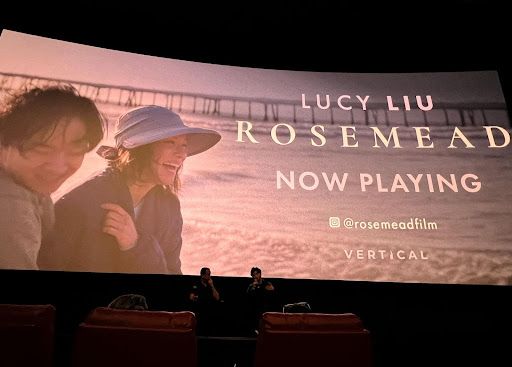
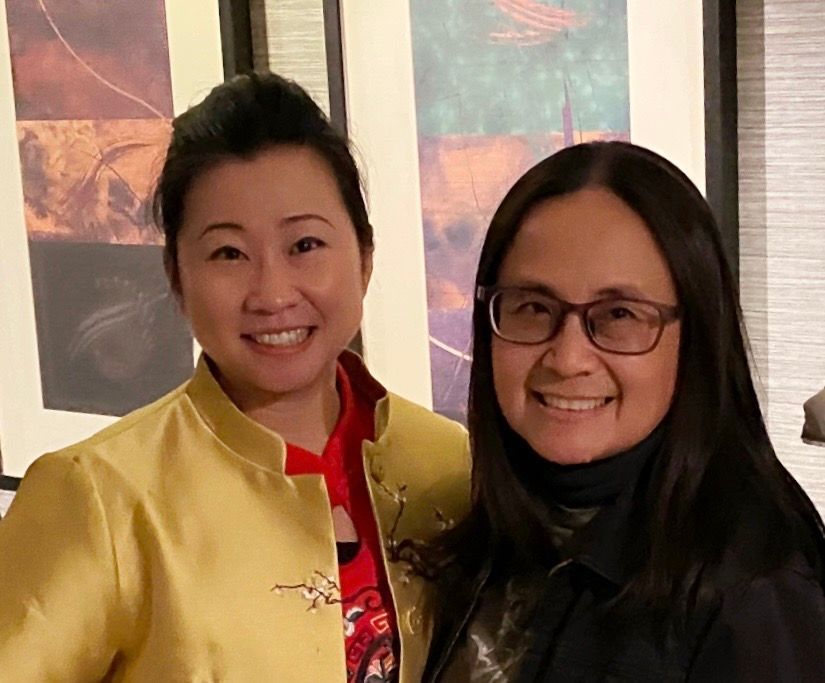
A Conversation with Actor Lawrence Shou | San Francisco | January 10, 2026 ⬆️
What Cannot Be Said
Hang could not say "I'm scared." Chong could not ask "Are you okay?". George could not say "I need help."
In a promotional interview, Lucy Liu observed: "In Chinese, you don't say 'How are you?'—you say 'Have you eaten?'" We express love through food, concern through money, care through material provision—but rarely through emotion itself. To show emotion is often treated as inherently dangerous: emotion signals vulnerability, vulnerability exposes weakness, and weakness invites harm.
And yet our culture simultaneously demands that mothers be the strongest of all. Chong once said that Hang had been raised to believe her son's troubles were hers alone to bear. Carry everything. Endure in silence. Never complain. Never break down. Never be allowed to be fragile.
"I would do anything for my child." There is awe-inspiring power in that sentence—and a shadow. When "anything for my child" quietly becomes "only I can," love begins to slide toward control, and strength becomes a cage that traps both the child and the mother herself.
And so everyone suffers alone. Everyone "respects" the other's silence. Vulnerability goes unseen—not because the people around us are heartless, but because we do not know how to respond to another person's pain. So we look away.
Protection and Burden
What if someone had reached out to her?
Seen from the outside, Hang's internal monologue might have sounded something like this:
After I die, no one will take care of him.If he hurts someone, it will be my fault.The police will treat him as a threat. The system will treat him as a monster. No one will love him. Only I can protect him—protect him from the world, and the world from him. And I am dying.
This is not the language of madness. It is a "rationality" compressed to its breaking point by prolonged isolation and fear. When a person comes to believe that "only I can fix this," that belief is itself a distress signal—one that needs to be recognized.
Protection should never be one person's burden alone. Communities, schools, healthcare systems, law enforcement—all should be woven into a single safety net. When protection becomes a collective responsibility, no individual is pushed to the edge.
But to understand someone's logic is not to endorse her choice. Hang's tragedy lies precisely in the fact that she drove "bearing responsibility" to its fatal extreme. After her husband died, she held the family together on her own, swallowing fear, despair, and exhaustion whole. "Bearing it" became "only I can bear it." "Protecting" became "only I can protect." She made herself the sole line of defense—and when that line was about to vanish, she felt she had to end things herself.
"Staying alive to be punished" was the final link in this chain of logic: the son was hers, the problem was hers, and so the resolution had to be hers as well; she would remain here and carry every consequence on her own shoulders.
This logic is distorted, but it is not hollow. It is what loneliness looks like at its very end—a person nailing herself to a cross as a last resort.
This is not protection succeeding. It is protection, pushed to its extreme in isolation, finally collapsing. True protection should happen before someone has to carry the weight alone—not after they have already fallen.
Epilogue
On the night it happened, Hang called Chong. "Where are you?" Chong asked. "What happened?"
"I've sent George away," Hang said.
Not "killed." "Sent away"—translating the unbearable into bearable language, rewriting the narrative of what she had done into something she could live with. Perhaps in her mind, this family had been cursed, and the last thing she could do was bear it alone and erase every trace.
Weeks later, Chong visited her in prison. Hang turned her face to the wall: "Burn all our family photos. I don't want anyone to remember us."
In prison, Hang's cancer deteriorated rapidly. Within months, a judge granted her compassionate release. Chong went to see her in the hospital, bringing flowers, prayer beads, and a recording of Buddhist scriptures. She leaned close to Hang's ear and whispered: "You're not a prisoner anymore. You're not a sinner. It's all in the past now."
That afternoon, around four o'clock, Hang died alone.
Chong later told a reporter: "People will only remember her as the mother who killed her son. But she was more than that."
The film ends with a scene of its own invention: Chong had promised Hang she would burn all the family photographs. But when she strikes the match, she stops. She does not burn them.
Perhaps some things should not be forgotten—even if they are painful, even if they defy understanding. Because only by remembering can we begin to see how far a mother's love can reach, and how deep into the abyss it can fall when met with isolation, fear, and the cracks in our systems.
To see is to make it possible that the next time someone stands at the edge of collapse, they might be caught. Even if only once.
A Call for a Movement Beyond the Film Rosemead
In Rosemead, Lucy Liu as Irene and Lawrence Shou as Joe deliver extraordinarily powerful performances, laying bare the pain, love, struggle, and helplessness of their characters without reservation. Liu's portrayal, in particular, is a tour de force—rendering the full depth of her character's psychological unraveling with searing precision.
As a long-term practitioner who works alongside individuals with mental health conditions and their families, many of the scenes in this film were almost impossible to watch with professional distance—because they were too real, too familiar. I wept twice in the theater. What I saw on screen is what we face every day: families who are misunderstood, delayed, and left in isolation; caregivers torn between love and terror, never given enough support.
I deeply admire the creative team behind Rosemead for choosing to confront head-on the subjects most easily avoided and most easily oversimplified: mental illness, social stigma, cultural conflict, and generational trauma. They reframe mental health not as a "personal problem" but as something embedded in the intersection of culture, institutional failure, and intergenerational pressure—compelling audiences to rethink how Asian families talk about illness and how society catches those who fall.
I especially value the post-screening discussions held after select showings. At the screening I attended, Lawrence Shou, who plays Joe, said something in response to an audience question that has stayed with me: "The mother is not a murderer. She and her son are both victims."
Indeed, the most important leap Rosemead makes is this: it does not merely tell a tragedy. It invites its audience to face a harder question—if we continue searching only for "villains" rather than repairing systems and supporting caregivers, will tragedies like this keep happening?
The film is not without its controversies, of course. A general audience may not immediately grasp what it means when the son halves his medication dosage—that this is not simply "taking less medicine," but a potential trigger for relapse, loss of control, and irreversible consequences. The film's depiction of this detail is honest, though it may not provide every viewer with enough context to fully understand its gravity.
But it is precisely because of this that the conversation has begun. Where there is conversation, there will be debate; where there is debate, there may be action.
The public dialogue that Rosemead has sparked—about mental health, about Asian American families, about the isolation of caregivers—has already grown beyond the film itself. What it has generated is not merely sympathy or tears, but a challenge to our systems' blind spots, a confrontation with cultural silence, and a persistent, unanswered question: If someone had caught them in time, could it have been different?
And that, perhaps, is Rosemead's most enduring significance.
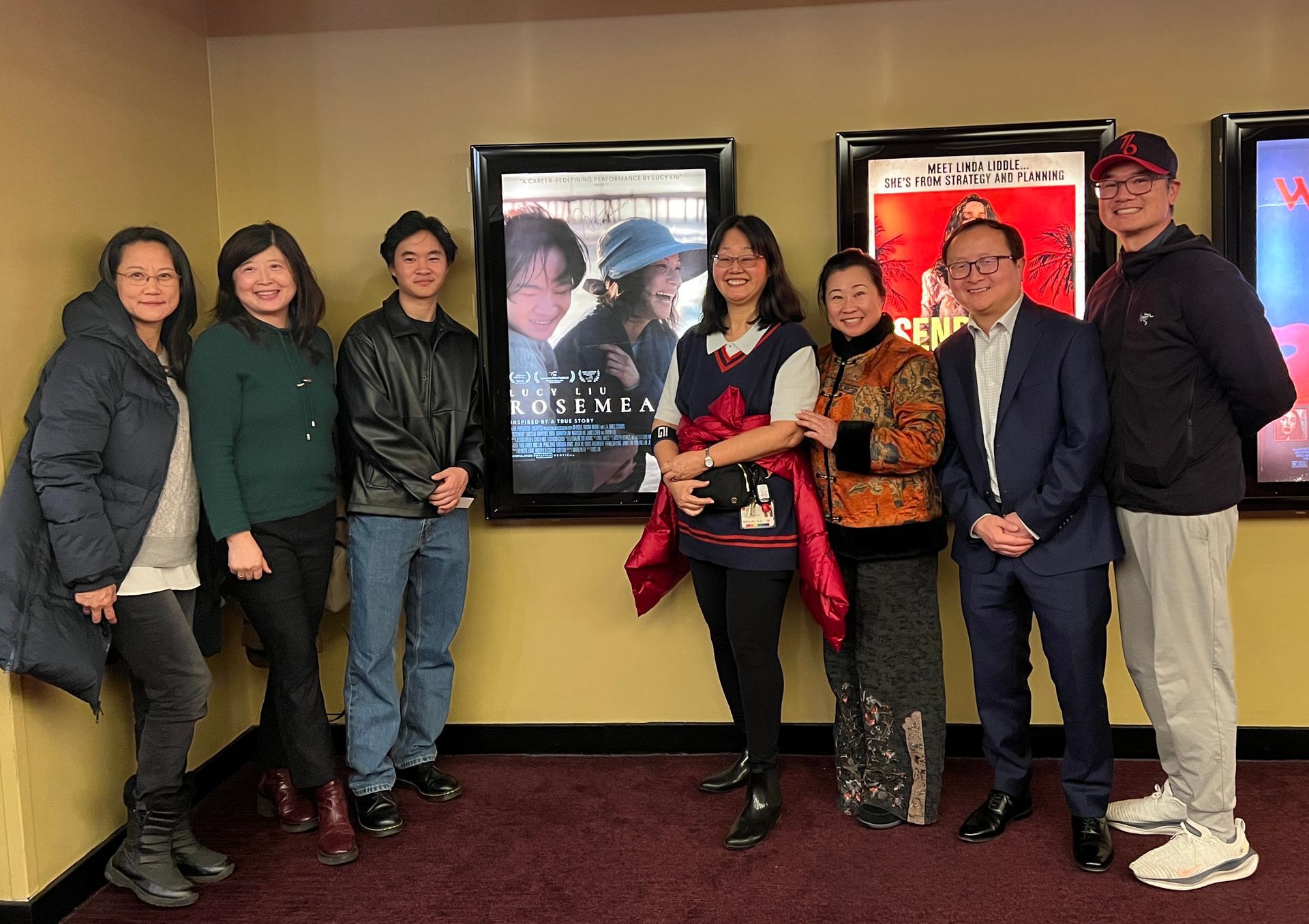
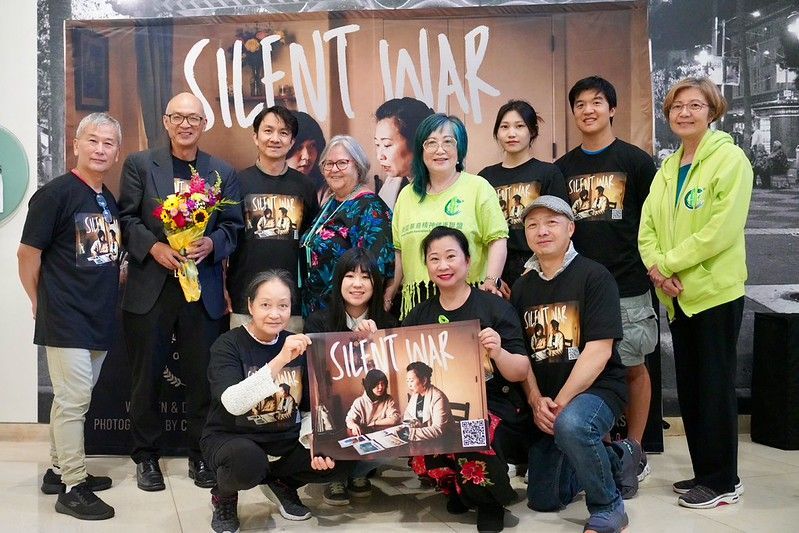
Group photo after the film screening:
From right to left: Dr. Steve Sust, MD-Assistant Clinical Professor. Child and Adolescent Psychiatry, Stanford University; Jet Liu-Deputy Executive Director of the Mental Health Association for Chinese Americans (MHACC); Elaine Peng--Co-author of this article, founder and CEO of the Mental Health Association for Chinese Americans (MHACC); Dr. Rona Hu-MD Clinical Professor, Psychiatry and Behavioral Sciences at Stanford University; Lawrence Shou, who played Joe, the son in the film "Rosemead"; Dr. Irene Zhang, former board member of the Mental Health Association for Chinese Americans (MHACC); Olivia.
超越《柔似蜜》: 从电影到一场正在成形的社会运动
作者:卡米,彭一玲
剧透预警:本文涉及电影《Rosemead》及其原型事件的关键情节。
真实案件的细节,部分来自《洛杉矶时报》记者 Frank Shyong 2017 年的报道,点击阅读
引子
电影《Rosemead》(柔似蜜)里有一幕让人几乎无法呼吸。 刘玉玲(Lucy Liu)饰演的母亲 Irene,用普通话对即将入睡的儿子说: "无论发生什么,记住妈妈爱你。"
这是刘玉玲第一次在银幕上用母语演出一整部电影。她在一段宣传采访里提到,普通话里有一种英语难以承载的温柔与含蓄。
电影改编自真实事件。但真实的故事,比任何一部电影能承载的都更复杂。
如果把这件事只当作"一个母亲的疯狂",故事就会结束得太快。这篇文章想做的,不是为一个不可逆的选择找借口,而是尝试做一次多维度的拆解:
- 一个母亲在死亡倒计时里如何计算风险,
- 一段亲密友谊如何被"体面"冻结,
- 一个系统如何让照护者看见的是悬崖而不是路,
- 以及一个时代的枪击叙事如何造就认知偏差、造成恐慌。
这四层交叠,最后才把一个人推到她以为的"唯一解"。
这些层次,也许是两小时的电影很难完全呈现的。你可以带着这些问题去看电影;如果你已看过、仍觉得有什么堵在心里说不清,也许这篇文章能帮你把那份窒息感放进一个更清晰的结构里。
真实事件
2015 年 7 月 27 日,凌晨 5 点,加州洛杉矶县柔似蜜市(Rosemead),山谷旅社。
Lai Hang(Irene 的原型,以下简称 Hang)朝熟睡中的儿子开了两枪,打在胸口。然后她抚摸着他的头发,在他身边躺了好几个小时,直到鲜血浸透了床单,她才打电话报警。
她告诉警察:她相信 17 岁的儿子会成为大规模枪击案的凶手。她杀他,是为了"保护其他人"。
但她没有开枪自杀。她说,她想"惩罚自己"。
一个自称"保护世界"的人,为什么需要惩罚自己?
崩塌
Hang 的人生轨迹,是一代移民的缩影。老挝出生,香港长大,拿到奖学金去东京读平面设计。朋友们眼中的她聪明、漂亮、有野心。
1992 年,她嫁到美国,和丈夫彼得(Peter)在洛杉矶阿罕布拉市开了间印刷店。生意成功,买了房,1998 年儿子乔治(George)出生。这是一个几乎完美的美国梦。直到 2012 年。
2012 年,彼得查出癌症,几个月后去世。乔治那年刚上高一,父亲的死对他打击很大,他变得沉默,不再和朋友来往。随后,他被诊断出精神分裂症。
2015 年,Hang 自己也确诊癌症晚期。短短几年,丈夫走了,儿子崩溃,自己时日无多。而她在这个国家,几乎是孤身一人。
沉默
她唯一的亲密朋友是发小 Ping Chong(以下简称 Chong)。两人从老挝的小学就认识,后来各自随家庭搬到香港,又在美国重逢,同一年当了妈妈。Chong 觉得,她们注定要做一辈子的朋友。
彼得去世后,Chong 察觉到 Hang 家里有些不对劲。去探望时,她看到摔碎的 iPad,被破坏的花园。Hang 说是不小心弄坏的。Chong 没有追问。
有一次,Hang 拿着儿子的处方药来问她。Chong 在一间中药铺工作,但她只扫了一眼药盒,说"你要听医生的",就把话题岔开了。
还有一次,Hang 请 Chong 陪她去儿子的心理治疗。Chong 去了,但到了诊所,她觉得不该听这些私事,就刻意站得远远的,把头转向一边。
事后 Chong 说:"我们明明那么亲近,但好像找不到合适的词来谈论这些。"
从小受的教育让她觉得,主动提起朋友的难处,只会让人更难堪。维持"礼貌",保留"体面"很重要。于是她什么都没说。
而在精神健康危机中,真正危险的,往往不是说错话,而是没有人愿意开口。
恐惧
2012 年到 2015 年,Hang 的电视屏幕上滚动播放着枪击案新闻。Aurora 电影院、Sandy Hook 小学、Isla Vista……
2015 年 6 月,Dylann Roof 在南卡罗来纳州教堂射杀 9 人。乔治开始对此产生执念。
Hang 看着儿子桌上关于希特勒的作业、手绘的纳粹符号,恐惧一天天加深。
几周后,在得知自己癌症预后只剩几个月的那一天,她填写了购买手枪的申请表。
衰仔
Hang 曾用"衰仔"形容儿子。
这个粤语词可以只是"顽皮""不听话",但在更严重的语境里,它也意味着"败家子""邪恶的孩子"。
乔治真的危险吗?我们永远不会知道。
而更重要的是:个体是否会走向暴力,并不能从一个诊断或几张草稿直接推出。但公众叙事常常走这条捷径,把"精神疾病"与"危险"捆绑成一个省力的解释。
有研究估计,多数精神分裂症患者并不会实施暴力;相反,他们更常成为暴力的受害者。可当媒体不断重复"精神疾病=暴力"的叙事,整个社会会形成一种认知偏差:我们开始用"最坏可能"来想象这些人,也用"最坏可能"来对待他们。
但当时 Hang 的恐惧,已经被推向了孤立无援的极端。
系统—在门内和门外之间
乔治似乎始终处在医疗"系统之内"。
他在柔似蜜的亚太家庭服务中心接受治疗,有处方药,有个案记录,有一整套看似完整的医疗路径。但 Hang 从未真正进入这个系统。
她把儿子送进那扇门,自己却站在门外。即使和儿子坐在治疗室里,她不参与会谈、不提问、不争取。不是因为冷漠,而是因为她从一开始就不相信,不相信这个系统能真正理解、或拯救她的儿子。
这种不信任,表面上看是对精神疾病与治疗方式的不了解;更深一层,是精神健康在移民家庭中根深蒂固的污名化,"家丑不可外扬","靠自己撑过去"。于是她选择独自承担,拒绝求助,拒绝依赖。
而系统并不会为她停下脚步。
乔治即将年满 18 岁。那一刻,他在法律上将成为"成年人",Hang 也将失去医疗决策权。她作为母亲的直觉、经验、焦虑,将不再被制度承认。
从制度设计上说,她当然还有别的路:她可以申请更长期的治疗;在极端情况下,也可以请求法院介入,设立监护或协助决策机制。
但对一位移民母亲而言,这些"选项"意味着什么? 意味着陌生而冰冷的程序语言; 意味着无法承受的时间与精力成本; 意味着把"家事"交给法院、交给系统的羞耻感;
而最残酷的是:她没有时间。Hang 正在死去。
系统假设每个人都有足够的时间去学习、理解、申诉、等待;但 Hang 的生命正在倒计时。
当制度的门槛遇上语言、文化、污名与死亡,有些人注定只能站在门外。不是因为她拒绝系统,而是这系统从未真正为她而设计。
遗憾的是,这种被时间追赶、被制度逼迫、被社会排斥的张力,在电影《柔似蜜》中的呈现仍显不足。观众能理解电影中的母亲 Irene 的困境,却未必能感受到那种等不及了的窒息感,也未能体会到主人公陷入绝境,了解到导致悲剧发生的原因。
而那,恰恰是 Hang人生中最真实的重量。
说不出口的
Hang 不能说"我害怕"。Chong 不能问"你还好吗"。乔治更难说"我需要帮助"。
刘玉玲在一段采访中提到:"在中文里,打招呼不是'你好吗',而是'你吃了吗'。"
我们用食物表达爱,用金钱表达关心,用物质填满所有空隙——唯独不用情感。因为表达情感往往被默认为一种危险:情感意味着脆弱,脆弱意味着软肋。
而我们的文化同时期待母亲是最强大的那个人。Chong 说过,Hang 受到的教育是:儿子的麻烦,是母亲独自的责任。扛起一切,默默承受,不抱怨,不崩溃,也不被允许脆弱。
"为了孩子,我可以做任何事。"这句话里有令人敬畏的力量,也有危险的阴影——当"为了孩子"悄悄变成"只有我能",爱就开始滑向控制,力量就变成牢笼,困住孩子,也困住自己。
于是每个人都在独自承受,每个人都在"尊重"对方的沉默。脆弱不被看见,往往不是因为旁人无情,而是我们不知道怎么回应别人的痛苦,于是假装看不见。
保护与承担
如果当时有人从旁边拉她一把……
以旁观者的角度审视,Hang 的内心独白也许是这样的:
“我死后,没有人能照顾他。如果他伤害了别人,那是我的责任。警察会把他当威胁处理,系统会把他当怪物对待。没有人会爱他。只有我能保护他,保护他不被世界伤害,也保护世界不被他伤害。而我快死了。”
这不是疯狂的语言,而是一种被长期孤立、被恐惧压缩到极限后的"理性"。当一个人开始相信"只有我能解决",那本身就是一个需要被接住的危险信号。
保护从来不该是一个人的任务,社区、学校、医疗系统、执法部门都应被纳入同一个"保护网络"中,当保护变成集体责任,个体才不会被推向极端。
但理解一个人的逻辑,不等于认同她的选择。Hang 的悲剧,恰恰在于她把"承担"推到了极端。丈夫去世后,她独自撑起这个家,把恐惧、绝望、疲惫吞进肚子里。"承担"变成"只有我能承担","保护"变成"只有我能保护"。她把自己变成了唯一的防线——当这道防线即将消失,她觉得必须由自己来终结一切。
而"活着受罚",是这条逻辑的最后一环:儿子是我生的,问题是我造成的,终结也应该由我来执行;而我必须留在这里,把所有后果都背在身上。
这逻辑是扭曲的,但它并不空洞:它是孤独的尽头,是一个人把自己钉在十字架上的最后手段。
这不是"保护"的成功,而是"保护"在孤立中被推到极端后的崩塌。真正的保护,应该发生在有人分担之前,而不是有人倒下之后。
尾声
事发当晚,Hang 打电话给 Chong。Chong 问:你在哪?出什么事了?
Hang 说:"我把乔治送走了。"
不是"杀",是"送走"——把不可承受之事翻译成可承受之词,把无法面对的罪责包装成"我做了必须做的事"。也许在她心中,这个家是被诅咒的,而她能做的最后一件事,是独自承担它,并把一切痕迹抹去。
几周后,Chong 去监狱探望。Hang 把脸转向一边:"把我们家所有的照片都烧掉。我不想让任何人记得我们。"
入狱后,Hang 的癌症迅速恶化。几个月后,法官批准保外就医。Chong 去医院看她,带了花、念珠、一盘佛经录音带。她凑近 Hang 的耳边,轻声说:你不是囚犯了。你不是罪人了。以前的事,都过去了。
那天下午四点左右,Hang 一个人走了。
Chong 后来对记者说:"别人只会记得她是那个杀了儿子的母亲。但她不只是那样的人。"
电影片尾有一个原创场景:Chong 答应 Hang 烧掉所有家庭照片。但当她划亮火柴,她停住了。她没有烧。
也许有些事不应该被遗忘。即使痛苦,即使无法理解。因为只有记住,我们才可能看见:一个母亲的爱可以强大到什么程度,又可以在孤立、恐惧与制度缝隙里,走向怎样的深渊。
看见,是为了让下一次有人在崩塌边缘时,至少能被拉住一次。哪怕只是一次。
呼吁一场超越电影《柔似蜜》的社会运动
电影《柔似蜜》中,饰演母亲 Irene 的刘玉玲,以及饰演儿子 Joe 的 Lawrence Shou,用极具感染力的表演,将人物的痛苦、爱、挣扎与无助,毫不保留地呈现在观众面前。特别是刘玉玲的炸裂演技,将人物心态刻画得入木三分。
作为一名长期与精神健康患者及其家庭并肩工作的实践者,在电影院里,因为场景太过真实、熟悉,我为此落泪了两次。我看到的正是我们每天面对的现实——那些被误解、被拖延、被孤立的家庭;那些在爱与恐惧之间反复拉扯、却始终得不到足够支持的照顾者。
我由衷敬佩《柔似蜜》的创作团队,他们选择直面精神疾病、社会歧视、文化冲突与家庭创伤这些最容易被回避、也最容易被简化的话题。他们让精神健康不再只是"个人问题",而是被放回文化、制度与代际压力交织的现实之中,迫使观众重新思考——亚裔家庭如何谈病?社会如何接住他们?
我尤其珍惜部分场次设置的映后讨论会。我观看的那一场,饰演儿子 Joe 的 Lawrence Shou 在回答提问时说了一句让我久久无法平静的话:"母亲不是凶手,她和儿子都是受害者。"
的确,《柔似蜜》最重要的跨越在于:它不再只是讲述一个悲剧,而是邀请观众共同面对一个更艰难的问题——如果我们继续只寻找"凶手",而不愿意修补系统、接住照顾者,这样的悲剧,还会不会再次发生?
当然,电影本身并非没有争议。一般观众未必能立刻理解,男主角将药量减半究竟意味着什么——那不仅是"少吃一点药",而可能是复发、失控,甚至不可逆后果的起点。电影对这一细节的呈现是真实的,却未必为所有观众预留了足够的理解空间。
但也正因如此,讨论开始了。而只要有讨论,就会有争论;只要有争论,就可能引发行动。
《柔似蜜》引发的这场关于精神健康、关于亚裔家庭、关于照顾者孤立处境的公共对话,已经超越了一部电影本身。它带来的不只是同情或眼泪,而是对系统缺口的质问、对文化沉默的挑战,以及对"如果当时有人接住他们,会不会不一样"的反复追问。
而这,或许正是《柔似蜜》最深远的意义所在。
电影会后的合影:
从右到左:Dr. Steven Sust --斯坦福大学副教授,精神科医生;刘先进--美国华裔精神健康联盟MHACC副执行长;彭一玲--本文的共同作者,美国华裔精神健康联盟MHACC创办人及执行长;Dr. Rona Hu --斯坦福大学教授,精神科医生,斯坦福医院急诊室医疗主任;Lawrence Shou--饰演电影《柔似蜜》儿子Joe;张海云博士-美国华裔精神健康联盟MHACC前理事;Olivia
2026年1月10日旧金山,演员Lawrence Shou在电影院的对谈